










How HPC Drives Efficiency And Accuracy In Weather Forecasts

As weather patterns grow increasingly erratic, precise forecasting has become a crucial defense in our battle against nature’s unpredictable forces. However, traditional methods are finding it challenging to adapt to the complexities of our planet’s ever-changing climate. This is precisely where High-Performance Computing (HPC) steps onto the stage, ushering in a new era of forecasting characterised by enhanced accuracy and efficiency.

HPC serves as the computational muscle behind modern weather forecasts, transforming equations into vast networks of interconnected data. Supercomputers within HPC clusters process astronomical datasets, simulating atmospheric conditions with unprecedented detail. They have the capability to:

  1. Process real-time data: HPC continuously ingests data from various sources, including satellites and ground stations, providing a constant stream of observations to enhance weather models. This real-time data integration ensures that forecasts are based on the most up-to-date information available.
  2. Run high-resolution simulations: Unlike traditional models, HPC allows for simulations that capture fine details such as air currents, storm cloud dynamics, and local microclimates, resulting in highly accurate forecasts down to specific neighbourhoods. This high-resolution capability enables a more nuanced understanding of weather patterns.
  3. Accelerate research and development: HPC is not limited to forecasting alone; it plays a crucial role in scientific discovery. Researchers leverage HPC to test new models, gain insights into climate change, and develop strategies for a sustainable future. The computational power of HPC accelerates the pace of advancements in weather science, contributing to our understanding of climate dynamics and potential mitigation strategies.

The accuracy advantage provided by HPC stems from its collaboration with sophisticated weather models, offering:

  1. Finer-grained detail: Traditional models often struggle with localised nuances, providing broad forecasts. HPC empowers models to capture subtle variations in terrain, temperature, and humidity, painting a more accurate picture of the weather.
  2. Ensemble forecasting: HPC runs multiple simulations with slight variations, producing a range of possible outcomes. This approach offers a clearer picture of the inherent uncertainty in weather forecasts.
  3. Advanced predictive capabilities: HPC-powered models can predict extreme weather events, from hurricane paths to heatwave intensities, providing communities with crucial time to prepare and mitigate potential impacts.

Looking ahead, the future of weather forecasting is closely tied to HPC advancements, promising:

  1. Personalised weather forecasts: Advancements in HPC could lead to more localised and personalized forecasts, offering specific details such as microclimate conditions for individual streets. This personalised approach enhances the relevance of weather information for individuals and improves decision-making.
  2. Proactive disaster management: Deeper insights into extreme weather patterns, facilitated by HPC services, enable communities to anticipate and prepare for floods, droughts, and heatwaves, minimising damage and saving lives. The proactive use of HPC-driven forecasts enhances disaster preparedness and response strategies.
  3. A sustainable future: HPC-powered climate models contribute valuable information for formulating policies and strategies to combat climate change, mitigating its impact and fostering a sustainable future. The integration of HPC services in climate research aids in the development of informed policies that address environmental challenges and promote long-term sustainability.

HPC is shaping the future of weather forecasting and contributing to a more resilient and sustainable future for all. The next time you check your weather app, consider the intricate process of supercomputers within HPC clusters, processing data to provide accurate forecasts that guide our lives and prepare us for any future challenges.

Yotta HPC as a Service enhances AI, ML, and Big Data projects with advanced GPUs in a Tier IV data center, offering supercomputing capabilities, extensive storage, optimised network, and scalability at a fraction of the cost compared to establishing an on-premise High Compute environment. Users can access on-demand dedicated GPU compute instances powered by NVIDIA, deploy workloads swiftly without CAPEX investment, and enjoy a scalable HPC infrastructure on flexible monthly plans, all within a comprehensive end-to-end environment.


How HPCaaS is Transforming Research and Development

High-performance computing (HPC) is pivotal in driving innovation and accelerating research and development (R&D) across various domains. It is emerging as a transformative force, democratising access to supercomputing power and enabling organisations, including academic institutions, research labs, and businesses, to leverage the immense potential of HPC without the need for substantial capital investment. By offering cost-effective, scalable, and accessible high-performance computing resources, it empowers researchers and organisations to tackle complex problems, drive innovation, and make groundbreaking discoveries.

Here are keyways in which HPC as a Service is reshaping R&D:

  1. Simulations and Modelling: HPCaaS allows researchers to create highly accurate simulations and models, allowing them to explore and test hypotheses. This is particularly vital in industries like aerospace, automotive, and pharmaceuticals, where extensive simulations can significantly reduce the need for costly physical prototypes and experiments. It has become an indispensable tool for researchers and innovators, allowing them to explore complex systems, optimise designs, and make data-driven decisions. In financial services and insurance, HPC simulations are used to model risk, evaluate financial portfolios, and assess the potential impact of various economic scenarios.
  2. Artificial Intelligence and Machine Learning: AI and ML algorithms can analyse and interpret vast amounts of data generated by HPC simulations. Researchers can extract meaningful insights and patterns from complex datasets in a fraction of the time. This accelerates the decision-making process in R&D. HPCaaS enables the development of advanced chatbots, language translation systems, and voice assistants. It helps to make real-time decisions and enhance road safety. The combination of AI and HPCaaS is poised to transform industries, from healthcare to transportation, by enabling machines to perform increasingly complex tasks.
  3. Pharmaceutical and Life Sciences: HPCaaS plays a significant role in drug discovery and genomics research. Pharmaceutical companies leverage supercomputing resources to accelerate drug development and analyse vast genomic datasets. This process, which traditionally took years, can now be completed in weeks. As a result, the development of new treatments and medicines is expedited.
  4. Enhancing Product Design and Engineering: HPCaaS supports urban planners in modelling traffic patterns, optimising infrastructure projects, and assessing the impact of development on a city’s resources and environment. In the field of engineering, HPCaaS has been a game-changer. Complex simulations in automotive design, structural engineering, and aeronautics are computationally intensive and demand high performance under various conditions without requiring extensive in-house infrastructure. The ability to perform rapid and accurate simulations enables engineers to create more efficient and innovative products, leading to cost savings and better results. This not only expedites the product development cycle but also ensures the creation of safer and more reliable products.

The Power of HPCaaS

  • Cost-Effective scalability: One of the most significant advantages of HPC services is its cost-effective scalability. Researchers and organisations can scale up or down based on their specific needs. This means they don’t need to invest in expensive hardware and infrastructure, reducing the total cost of ownership. Whether running complex simulations, conducting genetic research, or modelling climate changes, the flexibility of HPCaaS ensures that researchers have access to the computing power required to meet their goals.
  • Reduced Time to Insight: HPCaaS accelerates research by significantly reducing the time it takes to process and analyse vast datasets. Tasks that once took days or weeks can now be completed in a matter of hours or even minutes, enabling researchers to iterate and experiment more rapidly. This real-time feedback loop is invaluable in fields such as drug discovery, weather forecasting, and materials science.
  • Simplified Management: Managing an HPC cluster can be complex and resource intensive. HPCaaS providers handle much of the management, maintenance, and security aspects, allowing researchers to focus on their work without the distractions of infrastructure management. This not only streamlines operations, enhancing performance and dependability, but also reduces time consumption.
  • Global Collaboration: HPCaaS makes global collaboration easier than ever. Researchers from different parts of the world can access the same computing resources and work on shared projects. This opens the door for international research collaborations.
  • Security and Compliance: HPCaaS providers prioritise security and compliance, offering features like data encryption, access controls, and compliance with data protection regulations. This ensures that sensitive research data is kept safe and adheres to legal requirements.

Yotta, a world leading Hyperscale Data Center company is continually evolving its services to support High-Performance Computing (HPC) by adopting various technologies and strategies to meet the increasing demands for computational power and efficiency. Yotta HPC as-a-Service leverages cutting-edge GPUs and is hosted within a Tier IV data center, ensuring it provides supercomputing capabilities, extensive storage, network optimization, and scalability. All these benefits come at a significantly reduced cost compared to establishing your own High Compute environment on-premises.

HPC as a service is changing the landscape of research and development; it is revolutionising the way we approach innovation and has become an indispensable tool, reshaping the future of scientific discovery and technological advancements.

The GPUaaS Revolution: Transforming HPC and Virtual Pro Workstations

In the ever-evolving landscape of computing, GPU as a Service (GPUaaS) has emerged as a groundbreaking solution that empowers organisations to harness the immense power of Graphics Processing Units (GPUs) without the complexities and costs associated with dedicated GPU hardware. This blog will explore how GPU as a Service is revolutionising High Performance Computing (HPC) and enabling the creation of Virtual Pro Workstations, highlighting its applications and the myriad advantages it offers.

GPU as a Service (GPUaaS)

Before delving into the applications and advantages, let’s first understand what GPU as a Service entails. GPUaaS refers to the cloud-based provisioning of GPU resources to users on-demand. It allows organisations to access GPU power for a wide range of computing tasks without owning and maintaining physical GPUs. This technology is the driving force behind the transformation of both HPC and Virtual Pro Workstations.

Applications of GPUaaS

1. High-Performance Computing (HPC)

  • Scientific Research: GPUaaS has become instrumental in accelerating scientific simulations and research. Tasks like molecular modelling, weather forecasting, and nuclear simulations that once took weeks can now be completed in a fraction of the time.
  • Artificial Intelligence (AI) and Machine Learning (ML): GPUs are at the heart of AI and ML applications. GPUaaS is indispensable for training deep learning models, natural language processing, and computer vision tasks, allowing for quicker model development and improved accuracy.
  • Financial Analysis: Financial institutions use GPUaaS for risk analysis, fraud detection, and algorithmic trading. Complex financial models can be processed in real-time, enabling better decision-making.
  • Healthcare: In the healthcare industry, GPUaaS is used for medical image analysis, drug discovery, and genomics research. It speeds up the diagnosis process and contributes to medical breakthroughs

2. Virtual Pro Workstations

  • 3D Modeling and Animation: Professionals in the fields of animation, architecture, and design rely on GPUaaS to create intricate 3D models and animations. Real-time rendering and visualisation are now possible from anywhere.
  • Video Editing and Post-Production: GPUaaS enhances video editing by enabling high- resolution editing, rendering, and compositing. Content creators can edit videos seamlessly, regardless of their physical location.
  • Remote Collaboration: Virtual Pro Workstations powered by GPUaaS facilitate seamless collaboration among remote teams. Designers, architects, and engineers can work together in real-time, improving productivity.

Advantages of GPUaaS

  • Cost-Efficiency: Organisations can avoid the high upfront costs of purchasing and maintaining physical GPUs, paying only for the GPU resources they consume.
  • Scalability: GPUaaS offers flexibility in scaling GPU resources up or down based on workload demands. Organisations can instantly adjust computing power to match their requirements.
  • Accessibility: Users can access GPU resources remotely, from anywhere with an internet connection. This accessibility promotes collaboration and accommodates remote work arrangements.
  • Security and Reliability: Reputable GPUaaS providers offer robust security measures and reliable infrastructure, ensuring the safety and availability of data and resources.
  • Performance: GPUaaS delivers high-performance computing capabilities, enabling faster data processing, simulations, and rendering, ultimately leading to quicker results and decision-making.
  • Reduced Maintenance: The burden of hardware maintenance and updates is shifted to the service provider, freeing up IT resources for more strategic tasks.

In conclusion, GPU as a Service has inaugurated a new era in computing, revolutionising both High- Performance Computing and Virtual Pro Workstations. As technology continues its relentless progress, GPU as a Service is poised to occupy a central role in propelling innovation across various industries. Whether you are a pioneering scientist pushing the boundaries of research or a creative designer crafting exquisite visual content, GPUaaS stands ready to empower your endeavours, simplifying intricate tasks and enhancing efficiency.

Yotta presents HPC as-a-Service, driven by state-of-the-art GPUs and delivered from the world’s second-largest Yotta NM1 Tier IV data center in Navi Mumbai, and the Yotta D1 data center in Greater Noida. These facilities offer supercomputing performance, extensive storage, optimised networking, and scalability, all at significantly reduced costs compared to establishing your own on- premise High Compute environment. Furthermore, Yotta’s Virtual Pro Workstations serve as an ideal alternative to high-end desktop workstations, providing superior performance, power and security, accessible from any device.

It’s more than just gaining access to GPU power; it’s about unlocking a realm of opportunities for both organisations and professionals alike. With Yotta, you are not merely utilising a service; you are embarking on a journey filled with possibilities, where your work can reach unprecedented heights.

Assessing Credit Risk Faster With HPC

For banks and other financial institutions, undertaking accurate credit risk assessment of users to extract meaningful insights from historical and projected data is crucial. This equips them to take the right decisions regarding lending and ensure risk reduction.

The conventional methods of credit risk analysis have been manual processes that are time-consuming and labour intensive. Lenders would collect data on borrowers, like credit history, income, and assets. The credit score would be used to determine whether to approve a loan and, if so, at what interest rate. However, the amount of data available to lenders is constantly growing, and traditional methods of assessment are struggling to keep up. This has prompted the financial sector to rapidly use high-performance computing to improve real-time credit risk analytics.

A game-changer in numerous industries, HPC has the capacity to analyse enormous volumes of data and carry out difficult computations at extremely fast rates. In fact, it carries the potential to fundamentally alter how financial enterprises determine creditworthiness and manage risk when used in credit risk analytics.

How HPC Can Be Used for Credit Risk Assessment

HPC services can be used for credit risk assessment in a variety of ways.

  • Data mining: HPC can be used to mine large datasets for patterns and trends that can be used to predict credit risk.
  • Modelling: HPC can be used to build and run complex models that can predict credit risk. It considers a wider range of factors than credit scoring models, such as economic conditions, market volatility, and borrower behaviour.
  • Simulation: HPC can be used to run simulations of different economic scenarios. This allows lenders to assess how their loan portfolio would be affected by changes in the market.
  • Monitoring: HPC services can be used to monitor borrower behaviour over time. They allow lenders to identify borrowers who may be at risk of default before they default.

Achieving Faster and More Precise Risk Assessment

HPC aids with the development and execution of advanced risk models that encompass numerous variables and market scenarios, incorporating complex statistical algorithms and machine learning techniques. These models can identify intricate patterns, correlations, and anomalies in data, thereby significantly improving the accuracy of credit risk assessments.

The enormous amounts of data used in credit risk analytics are frequently difficult for traditional computer systems to handle. HPC enables parallel processing, where several calculations are carried out concurrently, significantly cutting down processing time. Financial enterprises can analyse large volumes of data in real-time thanks to this speed advantage. To meet the expanding demands of credit risk analysis, HPC systems can scale up their computing power by adding more processing units.

By processing and analysing data streams from numerous sources, including transaction data, credit ratings, market data, and macroeconomic indicators, HPC enables real-time monitoring of credit portfolios. Financial institutions can continuously monitor their credit exposures, swiftly spot indications of declining credit quality, and take pre-emptive steps to reduce potential risks because of HPC’s capacity to handle massive volumes of data efficiently.

In the financial industry, fraud detection is strongly related to credit risk analytics. Substantial amounts of transactional data may be processed in real-time by HPC systems, which can also spot suspicious trends and alert to probable fraud. Financial enterprises are shielded from major losses by HPC’s ability to detect fraud quickly and accurately using advanced analytics and machine learning algorithms.

Driving Efficiency and Insights with Yotta HPCaaS

Yotta HPCaaS provides the finance industry with a powerful and scalable computing infrastructure tailored specifically to handle large-scale computations. By leveraging Yotta’s cutting-edge technology, companies can process vast amounts of data in real time, allowing for faster and more accurate credit risk assessments.

In an industry where time is of the essence, speed and efficiency are paramount, Yotta’s HPCaaS, delivered from Yotta’s hyperscale data center, enables professionals to drastically reduce computation times, allowing for near-instantaneous results. This rapid turnaround time empowers decision-makers to respond quickly to market changes, accurately evaluate creditworthiness, and make data-driven decisions with confidence.

Yotta HPCaaS harnesses the capabilities of GPU (Graphics Processing Unit) technology. It supports SQL analytics to Big Data, enabling efficient data processing and analysis. With 10G / 25G network fabric support, Yotta HPCaaS ensures high-speed data transfers. Additionally, it supports advanced analytics and AI/ML (Artificial Intelligence/Machine Learning) frameworks, empowering users to leverage cutting-edge technologies for enhanced insights.

In conclusion, HPC is revolutionising credit risk analysis in the financial industry. Its ability to process vast amounts of data in real-time and identify complex patterns is transforming the way financial institutions assess creditworthiness and manage risks. With Yotta Cloud’s HPCaaS solution, organisations can leverage a powerful and scalable computing infrastructure to make faster decisions based on data-driven insights. Furthermore, the robust security measures offered by Yotta’s HPCaaS ensure the protection of sensitive financial information.

How is the convergence of HPC and AI transforming the healthcare industry?

At the start of the year 2020, a promising development involving the use of Artificial Intelligence (AI) in detecting breast cancer was announced. Researchers from Google Health, DeepMind, Imperial College, London, the NHS, and the Northwestern University in the US, created an AI model that was able to correctly identify cancer from X-ray images with an accuracy like expert radiologists. The AI model which was trained by analysing images from close to 29,000 women has the potential to revolutionise healthcare, as it can not only reduce the probability of errors, but also alleviate the pressure on healthcare systems.

As we can see, while the potential is huge, the biggest challenge in healthcare today is the fact that solving complex problems requires vast amounts of data and extreme computational power to analyse this data. For example, in 2018, OpenAI, an AI research and development firm, estimated that the amount of computational power required to train the largest AI models had doubled every 3.4 months since 2012. Looking at the increased demand for computational power for AI, researchers at the Massachusetts Institute of Technology warned recently warned that deep learning is hitting computational limits. The researchers concluded that deep learning progress was dependent on an increase in computational ability.

In this context, the convergence of AI and High-Performance Computing (HPC) is extremely beneficial as it can lead to a win-win situation for every stakeholder in the healthcare ecosystem. HPC and AI have a symbiotic relationship and can complement each other. HPC utilises a cluster of systems working together as a cohesive unit to achieve high-performance goals. AI needs specialised hardware that supports processing of trillions of calculations per second. This is where it is perfectly suited for AI.

The costs of most traditional HPC systems are disproportionate to meet unexpected demand. To avoid these issues, healthcare firms can consider using High-Performance Computing-as-a-Service (HPCaaS), which gives cost efficiencies with guaranteed performance and requires zero CAPEX investment and can be consumed using a pay-as-you-use model. Scalability is also not an issue and can be scaled up or down as per the workloads.

GPUs – the heart of HPC

Today, HPC systems leverage modern GPUs that contain hundreds of processing units, which are capable of processing huge number of transactions per second. With the ability to run large number of processes in parallel, GPUs in HPC systems can process large data sets in less amount of time. From an AI perspective, this also allows organisations to process significantly higher volumes of data, which helps improve the AI model.

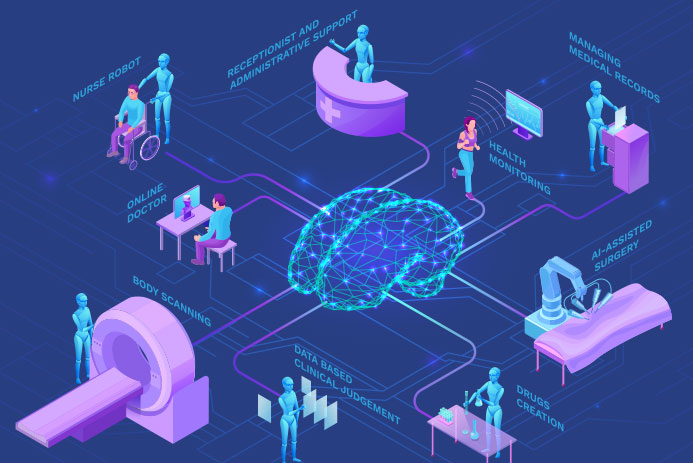
Leveraged intelligently, AI can significantly impact every healthcare segment – from predictive diagnostics to personalised treatments, which can have a big impact on drug development and clinical research. For example, today, more and more data is stored and generated. Electronic health records are available today for many people, which has allowed researchers and doctors to look at genetic information, medical history, and allergies, and understand how technology can help in making better decisions with respect to treatment.

Today, in clinical trials, the same drug is given to multiple people. However, as every human being has a different genetic approach, the ideal way should be to personalise drugs for each person. This has not been possible till date, due to the huge challenges of collecting and analysing data from a huge number of records. With AI and machine learning today, it is possible to analyse data faster than manual processes.

One of the best use cases of using AI in finding effective drugs can be seen from the recent efforts of scientists to find out possible drugs against COVID-19. Scientists at the University of California, Riverside, have used machine learning to identify hundreds of potential new medicines that could help treat COVID-19. Given the race against time to identify probable drug candidates, the scientists used machine learning techniques to screen more than 10 million commercially available small molecules from a database comprised of 200 million chemicals and identified the best probable cases for the 65 human proteins that interact with the SARS-CoV-2 proteins. The machine learning model also helped the researchers screen out toxic drugs.

This was used to create a drug discovery pipeline that could interfere with the entry and replication of the SARS-CoV-2 virus in the body. These kinds of experiments need an HPC infrastructure that can run AI algorithms. Given the time constraints in finding effective drugs against COVID-19, AI has been a game-changer.

The combined force

The combination of AI and HPC can also be used for real-time prediction of clinical interventions in intensive care units. Using real-time monitoring of vital signs of patient data such as blood pressure, heart rate and glucose levels, more precise future treatment can be undertaken. There are several other inspiring examples around the globe.

How HPC benefits Artificial Intelligence:Powered by GPUs— GPU instances parallelly process AI-based algorithms, taking off load from the CPUs to deliver analysis efficiently and faster.Data Volume – With super computational power, HPC can churn volumes of data with accuracy, thus aiding AI.Cost Efficient —HPCaaS provides a more cost-effective access to supercomputing without the need to invest or maintain the hardware. One can access HPC with pay-as-you-go pricing and avoid upfront capital costs.

Boston-based startup, FDNA, uses facial recognition techniques to identify close to 50 known genetic syndromes from the photographs of patients. The company has used cloud-based GPUs to analyse the huge amount of data received and collected from clinics and geneticists around the world and used this data to build its algorithm. Today, its algorithm is used by 70 percent of geneticists worldwide. This has become extremely useful in advancing the diagnostics for rare diseases.

Similarly, the New York University’s Langone School of Medicine has demonstrated how its team used deep learning to predict 200 ailments three months faster than traditional methods by analysing electronic health records such as X-rays, lab tests and doctor’s notes. As more and more data are ingested by AI, the better will be the accuracy.

In the future, as more remote healthcare models come into play, the availability of data in electronic forms will be huge. This will pave the way for more precise AI-enabled healthcare models, as healthcare officials use the huge data at their disposal to create intelligent algorithms that can dramatically improve the way healthcare services are delivered and consumed.

HPCaaS – know why it is better than setting up an On-Premise environment

High Performance Computing (HPC) is transforming organisations across industries, from healthcare, manufacturing, finance to energy and telecom. As businesses in these sectors require dealing with complex problems and calculations, High Performance Computing solutions can work with huge quantities of data and enable high performance data analysis.

The gigantum computing prowess of High Performance Computing infrastructure aggregates the power of multiple high-end processors which is boosted with a GPU to provide quick and accurate results. Moreover, High Performance Computing supercharges digital technologies like Artificial Intelligence (AI) and Data Analytics to deliver data insights faster and gives any business a competitive edge in the market.

Despite the growing demand, High Performance Computing has its own set of challenges. For instance, enterprises need to make huge investments to set up a High Performance Computing infrastructure and undergo long procurement timelines while opertionalising AI infrastructure. Further, High Performance Computing infrastructure requires extremely high maintenance and specific skill-sets to manage; and at the same time, scaling it is difficult if workloads increase. A cost benefit analysis also indicates that setting up and maintaining an on-site High Performance Computing cluster is increasingly difficult to achieve – the costs are disproportionate to meet unexpected demand and the hardware procurement cycle is never ending.

Why HPC-as-a-Service is a viable option?

Historically, on-premises solutions are perceived to be the proven investment, however, there are significant hidden costs to run and maintain on-premises High Performance Computing infrastructure. According to Hyperion Research, the demand for on-premises High Performance Computing resources often exceeds capacity by as much as 300%.

Looking at these roadblocks, the whole concept of High Performance Computing-as-a-Service (HPCaaS) has picked up lately, as it provides enterprises with simple and intuitive access to supercomputing infrastructure wherein they don’t have to buy and manage their own servers or set up data centers. For example, the workloads required for research, engineering, scientific computing or Big Data Analysis, which run on High Performance Computing systems, can also run on High Performance Computing-as-a-Service.

As per the forecasts from Allied Market Research, the global High Performance Computing-as-a-Service market size was valued at $6.28 billion in 2018, and is projected to reach $17.00 billion by 2026, registering a CAGR of 13.3% from 2019 to 2026.

In today’s dynamic environment, organisations that opt for High Performance Computing-as-a-Service are poised to gain competitive advantage and drive greater RoI. Enterprises must look at High Performance Computing-as-a-Service to avoid unexpected cost and performance issues, as compute-intensive processing can be done without making capital investment in hardware, skilled staff, or for developing a High Performance Computing platform. With the support of High Performance Computing-as-a-Service, organisations can also receive efficient database management services with reduced cost.

On-Prem vis-à-vis As-A-Service 

The biggest advantage of leveraging High Performance Computing-as-a-Service is the ‘cost’ factor – users who are looking to take advantage of High Performance Computing but cannot invest in the upfront capital and avoid prolonged procurement cycles of on-premises infrastructure implementation. With flexible pricing models, the enterprises just need to pay for the capacity they use.

For instance, on-premises High Performance Computing requires large capital investment in GPU servers, storage, network, security, and other supporting infrastructure which could run into tens of millions of Rupees, approximately INR 1-1.5 crore, depending on the scale of the infrastructure; whereas, High Performance Computing-as-a-Service offers zero Capex investment with flexible pricing along with ready-to-use pre-provisioned High Performance Computing infrastructure including switching routing infrastructure, internet bandwidth, firewall, load balancer, and intrusion protection system.

High Performance Computing-as-a-Service can also enable organisations to easily scale up their compute power as well as infrastructure. With this kind of scalability, the enterprise can flex their infrastructure to match the workloads instead of throttling workloads based on infrastructure.

Pay-as-you-consume model is also acting as a great enabler in democratising High Performance Computing, as it brings powerful computational capabilities for the scientific researchers, engineers, and organisations who lack access to on-premises infrastructure or need to hire expensive resources to manage their High Performance Computing infrastructure. The service providers offering High Performance Computing-as-a-Service manages the infrastructure maintenance so that enterprises can focus on their projects.

Additionally, businesses with a deep focus on innovation can do away with the periodic tech or infra refresh cycles, as on-premises High Performance Computing run the risk of becoming obsolete with changing technology or getting under-utilised with changing workloads. Organisations even have to incur additional expense while upgrading the infrastructure; on the contrary, service providers can easily handle upgrades and updates for optimum performance. With on-premises High Performance Computing, enterprises have to deal with unreliable power, whereas, adopting High Performance Computing-as-a-Service provides fail-safe power infrastructure, thus ensuring 100% uptime.

Making the right choice 

By now, it is evident that High Performance Computing-as-a-Service can provide for speedier data processing with high accuracy and due to the low investment costs, it has emerged as an alternative to on-premises clusters for High Performance Computing. However, despite all the advantages associated with adopting High Performance Computing-as-a-Service, there are certain perceived barriers preventing enterprises from realising its true potential.

For organisations to lean on High Performance Computing-as-a-Service to grow their business and accelerate product and service development, they need to be constantly showcased or educated on its benefits and in turn, breakdown the common roadblocks. All the benefits of High Performance Computing-as-a-Service clearly suggest that there’s substantial headroom for growth.

Advantages of High Performance Computing-as-a-Service at a glance

* The cost factor - no need to for upfront capital investment

* Access to supercomputing infrastructure without buying or managing servers

* Pay only for capacity utilised

* Organisations can opt for flexible pricing models

* Avoid unexpected cost and performance issues

* Upgrades and updates managed by the service provider

* Fail-safe power infrastructure, ensuring 100% uptime

HPC-powered AI to take manufacturing efficiencies to a new level

Today, enterprises are leveraging the self-learning power of Artificial Intelligence (AI) and parallel process systems of a High-Performance Computing (HPC) architecture to customise business processes and get more done in less time. In the current unprecedented scenario, industries across verticals had to fast-track digitisation and are testing HPC-enabled AI to synchronise data and build new products and services.

MarketWatch predicts that HPC-based AI revenues will grow 29.5% annually as enterprises continue to integrate AI in their operations. Moreover, with the growth of AI, Big Data, as well as the need for larger-scale traditional modelling and simulation jobs, HPC user base is getting expanded to include high growth sectors like automotive, manufacturing, healthcare, and BFSI among others. These verticals are adopting HPC technology to manage large data sets and scale-out their current applications.

The manufacturing companies, especially, can reap the benefits of HPC as they strive to enhance their operations – right from design process, supply chain, to delivery of products. A study by Hyperion Research indicates that each $1 invested in HPC in manufacturing, $83 in revenue is generated with $20 of profit.

Similarly, they are leveraging Artificial intelligence (AI) & Machine Learning (ML) to accelerate innovation, gain market insights and develop new products and services. Manufacturing organisations have been able to introduce AI into three aspects of their business, including operational procedures, production stage, and post-production. According to a report by Mckinsey’s Global Institute, manufacturing industry investing in AI are expected to make an 18% estimated annual revenue growth than all other industries analysed.

Optimising processes together with HPC & AI

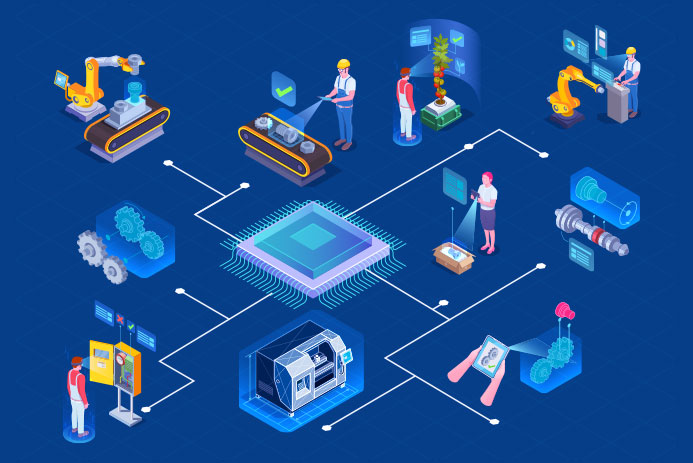
As manufacturers aim to achieve optimal performance and quality output, their focus is to implement HPC-fuelled AI applications to proactively identify issues and enhance the entire product development process, thereby improving end-to-end supply chain management.

At the same time, M2M communication and telematics solutions in the manufacturing sector have increased the number of data points in the value chain. Usage of HPC drives sophisticated and fast data analyses to ensure accurate insights are derived from large data sets. Combining HPC with AI applications allows network systems to automate real-time adjustments in the value chain and reduce the breakdown time. This results in enhanced product quality, accelerate time-to-market, and make the production process more agile.

Substantial use of computer vision cameras in the inspection of machinery, adoption of the Industrial Internet of Things (IIoT), and use of big data in the manufacturing industry are some of the factors adding to the growth of the AI in the manufacturing market for predictive maintenance and machinery inspection application.

Enterprises in the manufacturing industry can use the power of AI with HPC capabilities to deploy predictive analytics. This will not only help them optimise their supply chain performance but also help design demand forecast models and use deep learning techniques to enhance product development. There will, thus, be a need for high-speed networking architecture and systems storage to roll out and power the AI-based programs.

On the other hand, the manufacturing companies are increasingly leveraging HPC systems with Computer-Aided Engineering (CAE) software for performing high-level modelling and simulation. And there is a significant inter-dependability between HPC-powered CAE and AI, where simulations generate huge sets of data and AI models apply data analytics repetitively for even higher quality simulations. By now it is evident that the integration of CAE and AI will accelerate product development and improve quality; however, the scalability required to address the Big Data and compute challenges can only be managed by an HPC infrastructure.

Cloud-enabled approach to HPC

More data means more modelling, and, therefore, a more intensive machine learning solution. It is also important to invest in an HPC-Cloud for faster delivery of results by AI/ML models. A cloud-enabled HPC will help companies scale up their computing capabilities, as many AI workloads run in the cloud today. HPC applications built on cloud, allows companies to innovate by incorporating AI and enhance operations. AI workflows require continuous access to data for training; however, it can be a task to do so on-premise.

Today, manufacturing companies can choose from hybrid and multi-cloud options to provide a continuous and smooth computing HPC environment for on-premise hardware and cloud resources.

The power of one 

The manufacturing industry stands to benefit most from the convergence of HPC & AI technologies. Instead of using AI and HPC as different technologies, the organisations in this sector is unifying the two clusters to reduce OPEX cost and optimise resources. Just to reiterate, the powerful combination of HPC and AI tools are helping manufacturing companies in high-quality product development, improvement of supply chain management capabilities, analysis of growing datasets, reduction in forecasting errors, and optimal IT performance.

By combining AI and HPC capabilities, the manufacturing sector has found multiple ways to deliver the right products and services, accelerate time to market, and drive efficiencies at each stage of development.

Source : https://www.dqindia.com/hpc-powered-artificial-intelligence-take-manufacturing-efficiencies-new-level/

Leveraging High Performance Computing to drive AI/ML workloads

The convergence of High-Performance Computing and Artificial Intelligence/Machine Learning (AI/ML) has ushered in a new era of computational capability and potential. AI and ML algorithms demand substantial computational power to train and execute complex models, and HPC systems are well-suited to meet these demands.

Elevating AI/ML With High-Performance Computing

High-Performance Computing (HPC) harnesses the power of numerous interconnected processors or nodes that operate in parallel, enabling the rapid execution of complex calculations and data-intensive tasks. These systems are renowned for their parallel processing capabilities, high-speed interconnects, and expansive memory, rendering them ideal for data-intensive tasks. HPC is the cornerstone for driving progress in the world of scientific research and industrial innovation.

AI and ML rely on data and necessitate extensive computations for model training and deployment. As AI/ML applications burgeon in complexity and magnitude, the requirement for computational resources escalates. HPC is the essential foundation for AI and ML, enabling rapid training of complex models, efficient processing of massive datasets, parallel computation for speed, scalability to adapt to changing workloads, and application in various fields, driving transformative advancements. HPC services offers the following advantages:

  • Parallel Processing: HPC clusters encompass numerous interconnected nodes, each equipped with multiple CPU cores and GPUs. This parallel architecture enables the distribution of AI/ML tasks across nodes, resulting in a substantial reduction in training times.
  • Ample Memory Capacity: AI/ML often grapple with extremely large datasets. HPC systems have generous memory capacity, empowering researchers to work with extensive data without the need for cumbersome data shuffling, a bottleneck in traditional computing environments.
  • Scalability: HPC clusters are profoundly scalable, enabling enterprises to adapt to evolving AI/ML workloads. As project demands surge, additional nodes can be seamlessly integrated into the cluster for optimal performance levels.

Use Cases of HPC in AI/ML

  • Medical Imaging: AI/ML is harnessed for the analysis of medical images in disease diagnosis. HPC expedites the training of deep learning models, enhancing the precision and speed of diagnosing conditions like cancer from MRI or CT scans.
  • Finance: In the financial sector, the synergy of HPC and AI/ML underpins high-frequency trading, risk assessment, and fraud detection. Real-time analysis and prediction necessitate the computational prowess of HPC.
  • Sensory Data Processing: Self-driving cars generate massive amounts of sensor data. HPC systems process this data in real-time, allowing autonomous vehicles to make split-second decisions for safe navigation.
  • Chatbots and Virtual Assistants: HPC enables the deployment of sophisticated chatbots and virtual assistants that can understand and generate human-like text responses, improving customer support and engagement.
  • Online Deep Learning Services: HPC solution supports online deep learning services, enabling tasks like image recognition, content identification, and voice recognition by providing the necessary computational power for accelerated model training and real-time inference.

Yotta HPCaaS – Your Gateway to Computational Excellence

In this landscape, Yotta HPCaaS offers a convenient solution, providing instant access to the HPC environment without hardware investments, complemented by round-the-clock support. Users benefit from virtual, private, and secured access to their infrastructure, fortified by essential security measures and the added assurance of a fail-safe power infrastructure ensuring 100% uptime. Yotta HPCaaS further supports SQL analytics for Big Data and advanced analytics, as well as AI/ML frameworks, augmenting its versatility and utility in the dynamic world of high-performance computing and AI/ML.